
Melasma Treatment in Seoul, Korea
Melasma
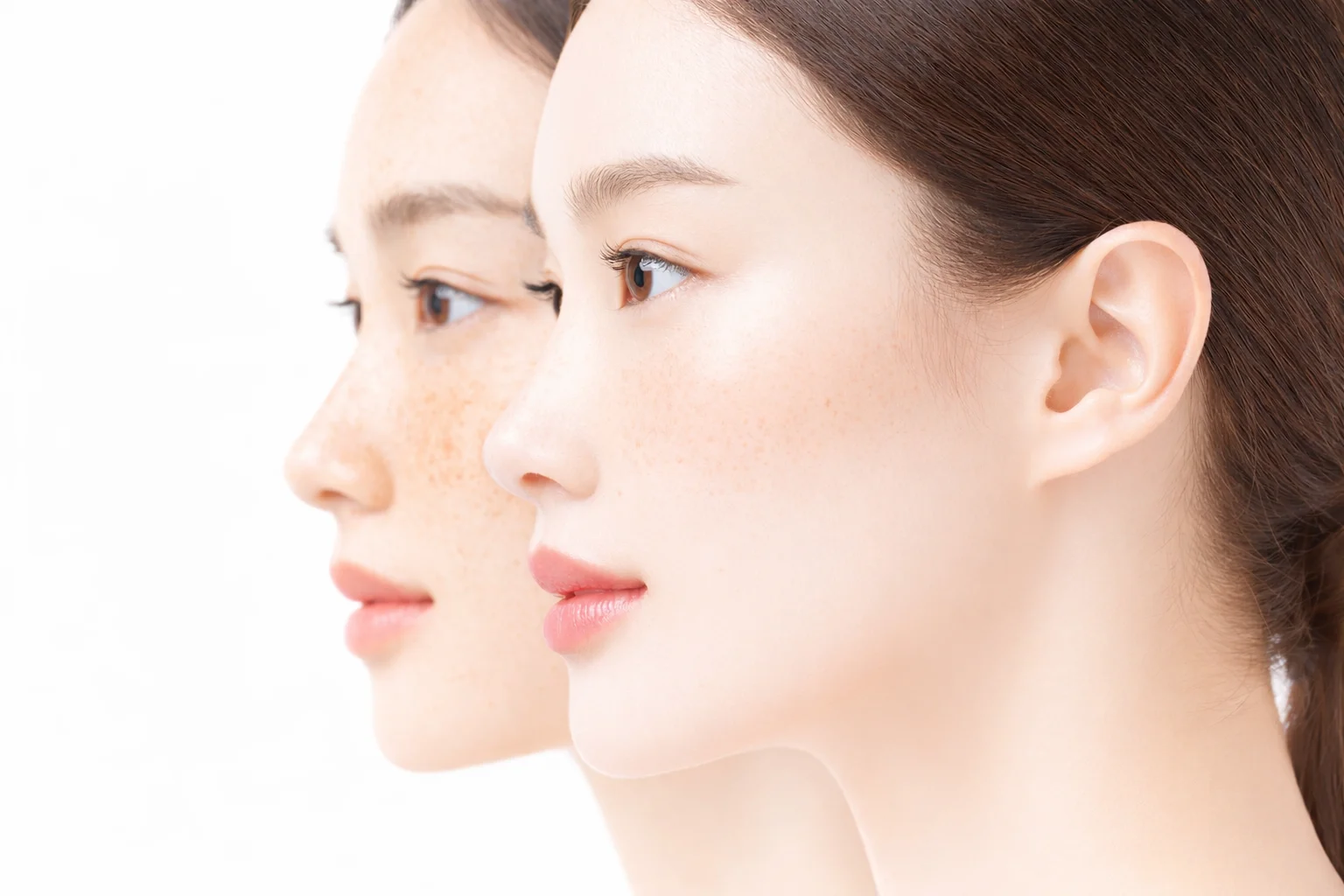
Stop the melanin factory and transform the foundation of your skin assets!
Melasma is one of the most difficult pigment conditions to treat; it cannot be resolved simply by removing only the visible pigmentation. The overactivity of the “melanin factory” (melanocytes) that produces pigment must be controlled, while the “dermal aging” where that factory exists must be treated together. The Other presents a recurrence-resistant melasma solution through a multidimensional plan of [oral medication, topical care, injections, and remodeling].
Melasma in Korean: what it is called at a Korean clinic
In Korean, melasma is called 기미 (gimi). You may see the word on a Korean clinic’s website or treatment menu. The Other’s Korean-language page for this condition is titled 기미.
Why Is Laser Toning Alone Not Enough for Melasma?
Because melasma is not simply surface-level discoloration; it is a progressive condition that continues to rise from deep within the skin.
Shutting Down the Melanin Factory
As long as melanocytes continue producing pigment, laser treatment alone is like pouring water into a leaking jar.
Dermal Aging and Melasma
When the dermal layer ages, its ability to regulate melanocytes declines. In other words, melasma is a signal that the skin’s overall health has weakened.
The Complexity of Vascular Melasma
When abnormal blood vessels develop beneath melasma-prone areas, factors released from those vessels can stimulate pigment formation. These vessels must also be addressed for melasma to fade.
The Other’s Root-Blocking Melasma Solution
The Other does not fit the patient to a device like many clinics do. We assemble treatment around each patient’s biological conditions.
Internal Blocking (Tranexamic Acid Prescription)
Direct Blocking (The Other Melasma Injection)
Foundation Renewal (Virtue RF)
Customized Laser Mix
Melasma treatment in Korea: how a plan is put together at The Other
A melasma plan at The Other in Seoul is assembled from these parts, depending on the patient:
- Oral tranexamic acid prescription
- Tranexamic acid injection into melasma-prone areas
- Virtue RF remodeling of the aged dermal layer
- Customized laser: vascular lasers for vascular melasma, precision toning for general melasma
Which parts are used depends on your age and skin tone. Book a consultation to discuss your case.
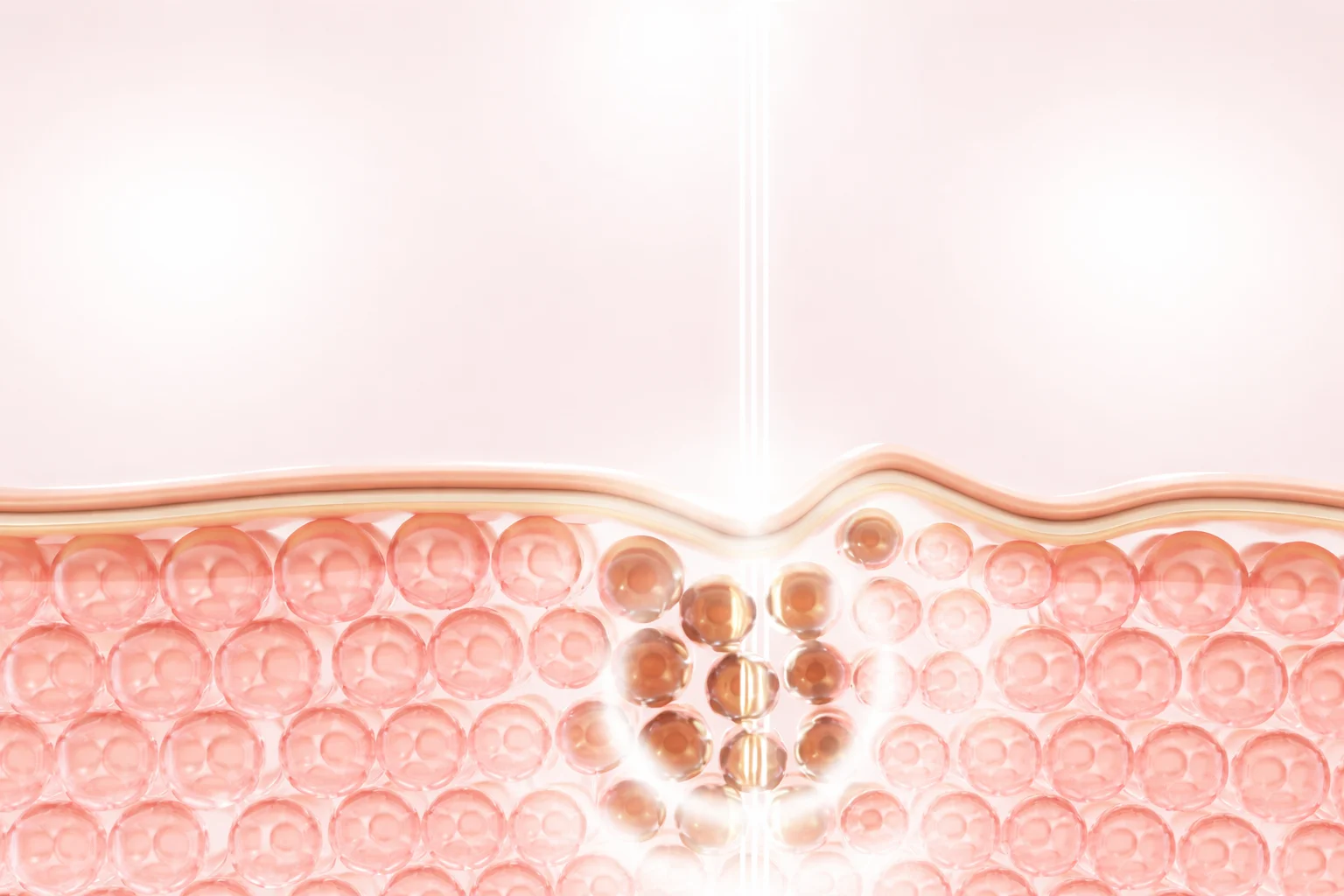
Hyper-Personalized Melasma Curation
At The Other, treatment intensity and direction are fully customized according to the patient’s age and natural skin tone (Fitzpatrick type).
Age-Based Approach
Early melasma in the 30s and chronic melasma after the 50s involve different degrees of dermal aging, so the remodeling devices used and the concentration of injections must differ.
Skin-Tone-Based Approach
The darker the skin tone (high Fitzpatrick type), the greater the risk of laser-induced post-inflammatory hyperpigmentation (PIH). The Other accounts for this with more conservative and precise energy settings.
Melasma treatment for dark skin: why skin tone changes the plan
Skin tone is one of the two things The Other builds a melasma plan around, together with age. The darker the skin tone (a higher Fitzpatrick type), the greater the risk of post-inflammatory hyperpigmentation (PIH) after laser treatment, so energy settings are set more conservatively and precisely.
At your consultation, your Fitzpatrick type and age are considered together to set treatment intensity and direction.
Self-Check
Is My Melasma Being Treated Properly?
I have received laser toning 10 or more times, but the results were temporary or the pigmentation became even darker.
I am not only concerned about pigmentation; my overall skin elasticity has declined and my texture feels rough.
The darkness of my melasma noticeably changes depending on fatigue, menstrual cycle, or other conditions.
It does not feel like a simple volume issue; it feels as though the skin itself is separated and floating away from the bone structure.
I have never received a systematic medication guide or injection treatment tailored to my skin type.

Melasma is not something to simply erase; it is something to manage.
The Other’s Message
Melasma is one of the most difficult challenges even for dermatologists. That is why it requires more precise data and a logically designed prescription. Rather than simply masking pigment, we create an environment where the skin regains its health and melasma can gradually fade on its own.
Scientific Pigment Control Proposed by Dermatology Specialists from the 1.5%
Restore clarity to your precious skin assets. Begin with The Other.