
In addition to checking the skin under various light sources with a skin analysis device, we use precision dermoscopy to assess the degree of vascular dilation and inflammation.
Facial Redness•Rosacea
Facial Redness

What Type of Facial Redness Do You Have?
Rosacea is broadly divided into two major types, and the first step of treatment must differ completely depending on the type.
Erythematotelangiectatic Type (ET Type)
This type involves visible capillaries, easy facial flushing, or persistent heat sensations. Treatment that directly targets already-dilated blood vessels should come first.
Papulopustular Type (PP Type)
This type is accompanied by tiny acne-like inflammatory bumps along with redness. If inflammation control and sebaceous gland management are not addressed first, laser treatment may be less effective.
The Other’s Cause-Specific Treatment Design
(The Other Recipe)
At The Other, there is no fixed “redness package.” We precisely design the treatment sequence according to each patient’s skin barrier condition and the underlying cause of inflammation.

When the Skin Barrier Is Damaged
Rather than starting with lasers, we first begin “soil restoration” by increasing skin hydration and calming the skin through treatments such as LDM (water-drop ultrasound).

When Sebum Production and Inflammation Are Severe
We control overactive sebaceous glands with PTT or skin Botox and improve the inflammatory environment to reduce the frequency of redness.
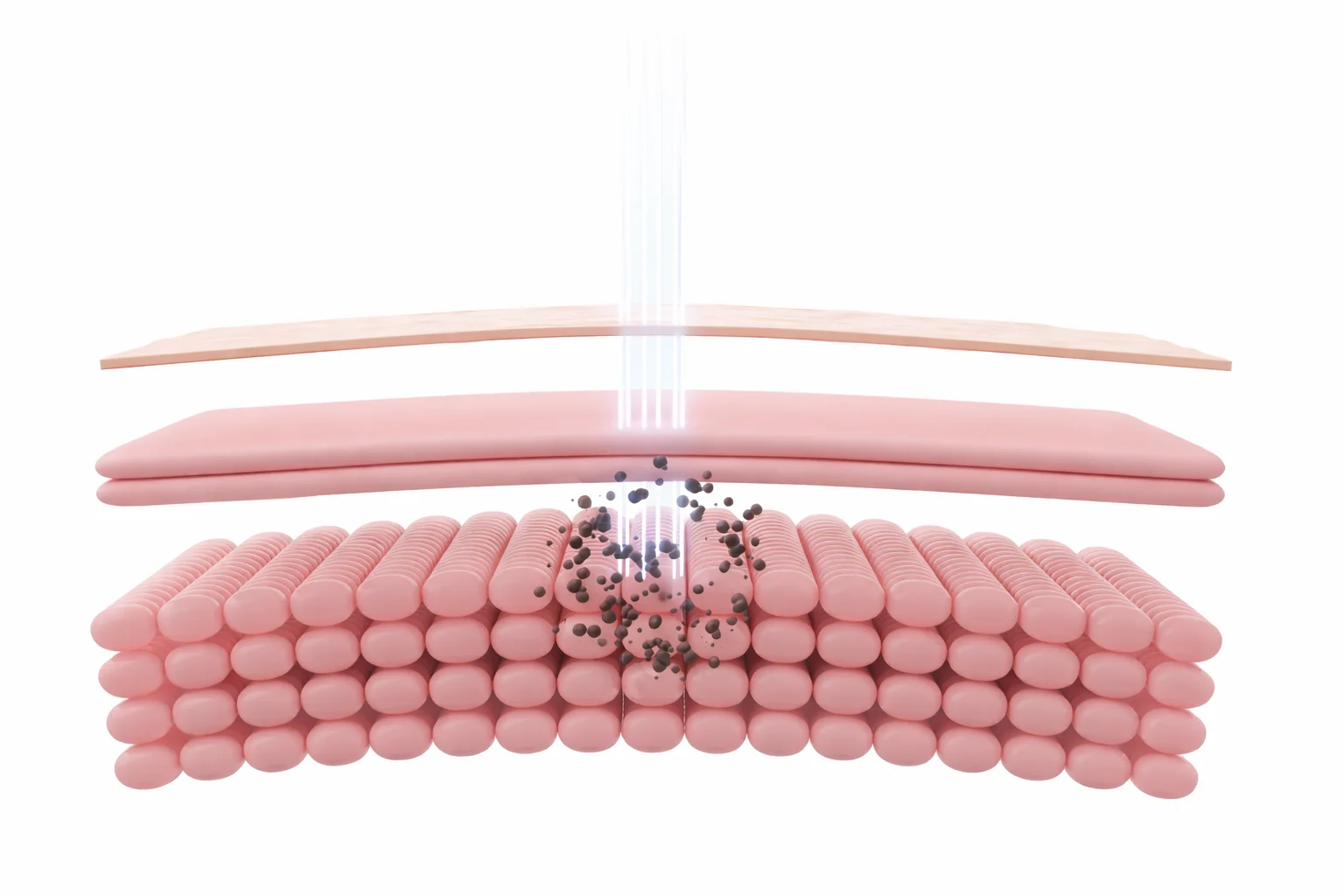
When Blood Vessels Are Already Dilated
Using precision vascular lasers, we selectively destroy only abnormally dilated blood vessels.

When the Skin Itself Is Thin and Sensitive
We strengthen the dermal layer and boost regenerative capacity with skin boosters such as Re2O (hADM) or Rejuran, helping the skin become more resilient against external irritation.
The Key to Rosacea Treatment: Tracing Even the Hidden Causes
Preventing recurrence requires more than simply reducing surface redness. The hidden factors that trigger inflammation within the skin must also be addressed.
Lifestyle and Hormonal Analysis
We also review internal factors that can worsen redness, such as stress, sleep habits, and hormonal changes.
Sensitive Skin Care Guide
We provide precise home-care coaching to prevent barrier damage caused by incorrect cleansing habits or cosmetic use.
Self-Check
A Practical “Red face” Checklist
Does your face feel very tight after cleansing, or do you feel stinging when using certain cosmetics? (Barrier damage check)
Does your face stay red longer than others after alcohol, spicy food, or sudden temperature changes? (Vascular dilation check)
Do small acne-like inflammatory bumps repeatedly appear around the mouth or nose along with redness? (Suspected PP type)
Did your skin become thinner and redder after long-term use of steroid ointment? (Medication side effect check)

Find the Real Reason Behind Your Red Face.
The Other’s Message
Rosacea is not a condition to simply endure; it must be managed by identifying the exact cause. The Other will read your skin data to uncover the fundamental the reason why your skin turns red.
A Customized Rosacea Clinic Completed Through Precise Dermatologist Diagnosis
Stop struggling with sensitive skin and experience The Other’s logical alternative.